Trezor.io/start — Your Simple Guide to Setting Up a Trezor Hardware Wallet
Trezor.io/start is the official starting point for anyone setting up a Trezor hardware wallet for the first time. Whether you’re new to cryptocurrency security or upgrading from a software wallet, this guide walks you through the essential steps to get your device ready, protected, and connected. The goal is to make the process easy, secure, and stress-free so you can confidently manage your digital assets.
1. What You Need Before You Begin
To start, make sure you have your Trezor device (Model One or Model T), a computer or smartphone with internet access, and the USB cable that comes with the wallet. It’s important to purchase your Trezor directly from the official store or trusted retailers. If the device looks tampered with or already set up, do not use it.
2. Visit the Official Setup Page
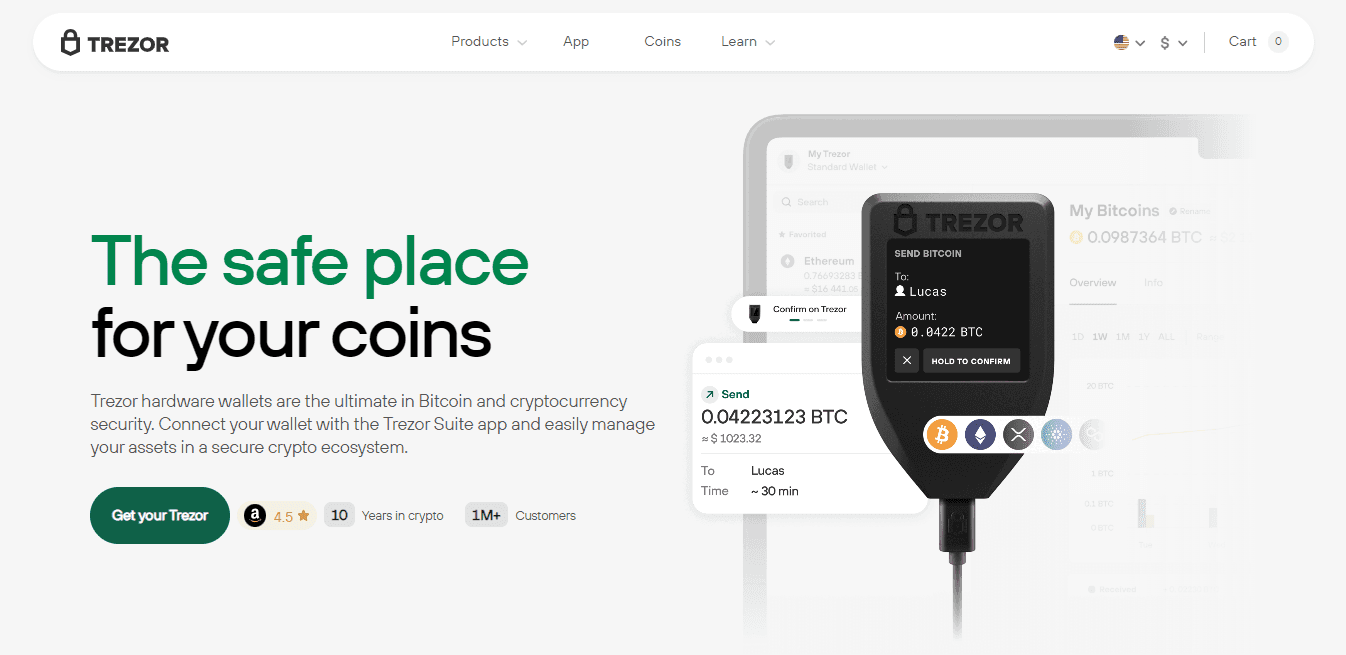
Open your browser and go to Trezor.io/start. This page automatically detects your device model and provides step-by-step instructions. You’ll be prompted to install Trezor Suite, the official app used to manage your wallet, check balances, and send or receive crypto. Trezor Suite is available for Windows, macOS, Linux, and also works through the web.
3. Install the Latest Firmware
When you connect your new Trezor for the first time, it may require a firmware update. Firmware is the device’s internal software that keeps your wallet secure. Updating ensures you have the most recent security improvements. Follow the on-screen steps in Trezor Suite and avoid disconnecting the device during the process.
4. Create Your New Wallet
After updating, you’ll be asked to create a new wallet. The device will generate a recovery seed, which is a list of 12, 18, or 24 words. This seed phrase is the only way to recover your wallet if the device is lost or damaged. Write it down on paper and store it somewhere safe. Never take photos or save the seed digitally. Trezor will never ask for your seed phrase online, through email, or through support messages.
5. Set Up a PIN for Extra Protection
To prevent unauthorized access, the device will guide you to create a PIN. Choose one that is strong but easy for you to remember. Each time you plug in your Trezor, this PIN will be required before you can use it.
6. Add and Manage Your Crypto
Once your wallet is created, you can start adding accounts for coins like Bitcoin, Ethereum, and many others. Trezor Suite provides a clean dashboard where you can track balances, make transactions, and monitor market prices. All private keys remain stored safely on your Trezor device—never on the internet.
7. Stay Safe and Updated
For maximum protection, keep your device firmware and Trezor Suite updated regularly. Always make sure you’re visiting the official website and avoid third-party wallet apps or browser extensions that claim to be Trezor tools.